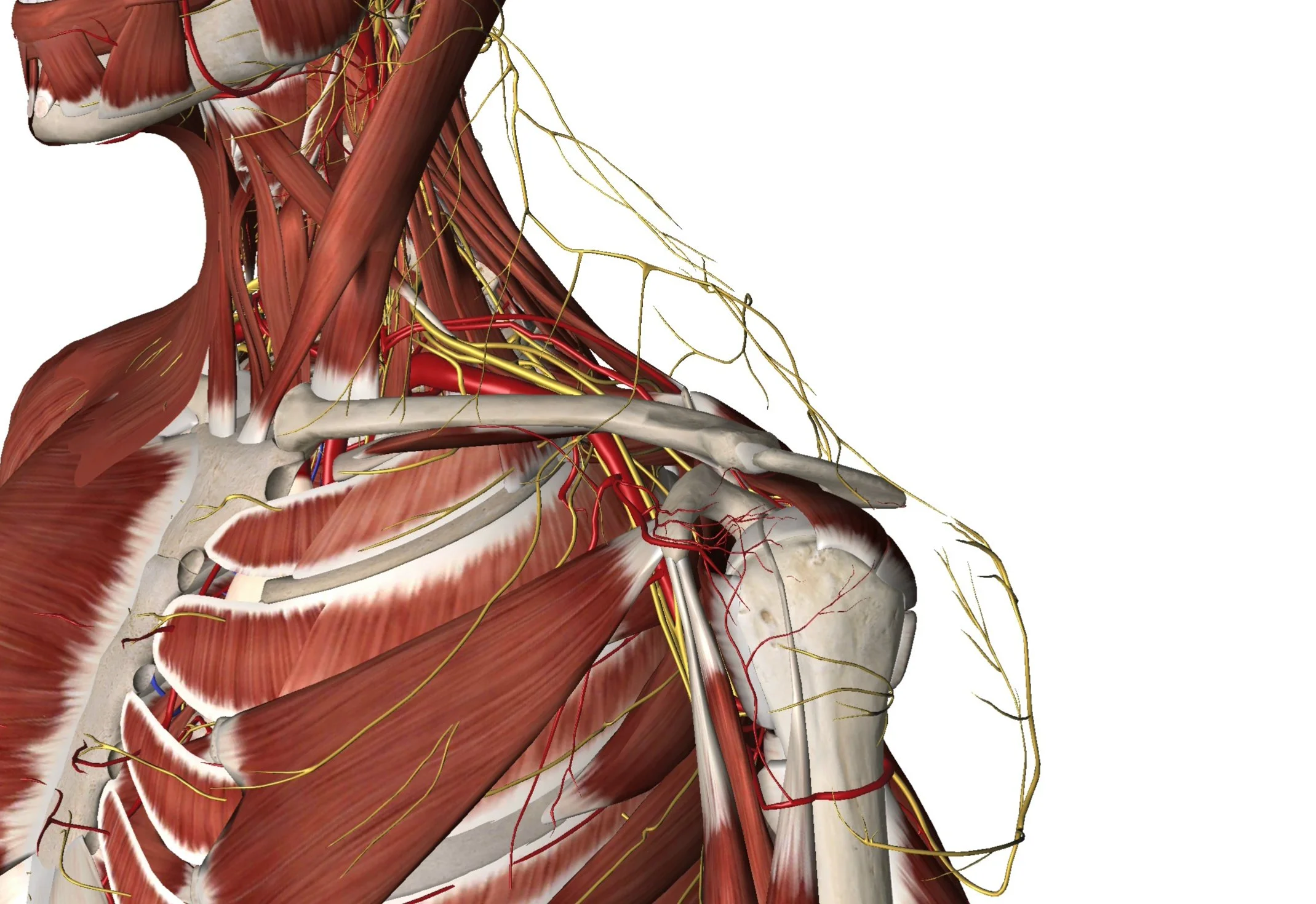
Thoracic Outlet Syndrome Management
Thoracic outlet syndrome (TOS) occurs when nerves or blood vessels are compressed in the space between the collarbone and first rib. TOS is broadly classified into neurogenic TOS, which affects the brachial plexus and makes up the large majority of cases, and vascular TOS, which affects the subclavian artery or vein and is far less common but potentially more serious. Careful assessment to distinguish between the two is essential, since vascular TOS requires urgent referral rather than conservative care alone.
In short: Spirit Chiropractic in Parramatta, NSW carefully assesses arm, hand and shoulder symptoms to distinguish neurogenic TOS (nerve compression — the vast majority of cases) from vascular TOS (artery or vein compression — rarer, and a medical priority), then provides conservative postural and soft tissue care for neurogenic presentations while arranging urgent referral whenever vascular involvement is suspected.
Contributing Factors
The thoracic outlet can narrow for a number of structural, postural, and activity-related reasons, affecting either the nerves or the blood vessels passing through it.
Common Causes
- Cervical rib or abnormal first rib anatomy
- Postural changes and rounded shoulders narrowing the thoracic outlet
- Repetitive overhead activity (swimming, throwing sports, manual work)
- Whiplash or direct trauma to the neck and shoulder
- Muscle tightness or hypertrophy in the scalenes and pectoralis minor
- Anatomical variations narrowing the costoclavicular space
Neurogenic vs. Vascular TOS
Presenting history and examination findings differ meaningfully between the two forms, which is why an accurate initial assessment matters.
Presenting History
- Gradual onset of arm and hand pain, aching, or heaviness
- Numbness or tingling in the fourth and fifth fingers and inner forearm (ulnar distribution)
- Symptoms worsen with overhead activity, carrying bags, or prolonged arm elevation
- Associated neck and shoulder discomfort
- Hand weakness or clumsiness in longstanding cases
Examination Findings
- Reduced sensation in the ulnar nerve distribution
- Positive provocative tests: Roos (EAST) test, Wright's hyperabduction test, Adson's test
- Tenderness over the scalene triangle
- Weakness of intrinsic hand muscles in longstanding cases
- Postural findings: forward head posture, rounded shoulders, elevated first rib
Presenting History
- Arterial: arm pain, coldness, pallor, or fatigue with use; sudden pain and pallor can suggest embolism
- Venous: sudden arm swelling, heaviness, and bluish discoloration, often after vigorous or repetitive overhead activity ("effort thrombosis")
- Visible distended veins across the shoulder or chest wall
- Symptoms typically more sudden in onset than neurogenic TOS
Examination Findings
- Arterial: diminished or absent radial pulse with arm positioning, pallor, coolness, possible bruit
- Venous: swelling, cyanosis, prominent superficial collateral veins
- Positive Adson's or costoclavicular manoeuvre reproducing symptoms
- Urgent referral for Doppler ultrasound or angiography/venography to confirm diagnosis
Evidence-Based Management Approach
Spirit Chiropractic takes an evidence-informed, patient-centred approach to managing thoracic outlet syndrome. Distinguishing neurogenic from vascular presentations is always the first priority.
Assessment & Screening
A detailed history and examination to differentiate neurogenic from vascular TOS, including neurological testing, pulse assessment, and provocative manoeuvres. Screening for vascular red flags is essential, with referral for vascular imaging arranged immediately if arterial or venous compromise is suspected.
Diagnosis & Care Plan
A clear explanation of which type of TOS is present and what it means for your care. For neurogenic TOS, a conservative, chiropractic-led care plan is appropriate. For suspected vascular TOS, urgent referral takes priority, with chiropractic care considered only once vascular safety has been established.
Hands-On Chiropractic Care
For neurogenic TOS: gentle mobilisation of the cervical spine, first rib, and shoulder girdle, combined with soft tissue therapy to release tight scalene and pectoralis minor muscles contributing to nerve compression.
Rehabilitation & Self-Management
A structured program of postural correction, scalene and pectoralis minor stretching, nerve gliding exercises, and shoulder girdle strengthening. Includes ergonomic advice and activity modification to reduce provocative overhead movements.
Progress Review & Prevention
Regular monitoring of neurological symptoms and function, with progression of your exercise program. Prevention focuses on maintaining postural awareness, shoulder girdle strength, and avoiding prolonged overhead positions.
What to Expect
Your first visit includes a thorough assessment to determine whether your symptoms are neurogenic or vascular in origin. If vascular TOS is suspected, immediate referral for medical or vascular assessment will be arranged before any hands-on treatment. For neurogenic TOS, care combines gentle manual therapy with a structured postural and nerve-gliding exercise program, with most patients noticing gradual improvement over several weeks.
Frequently Asked Questions
What is the difference between neurogenic and vascular thoracic outlet syndrome?
Neurogenic TOS involves compression of the brachial plexus and accounts for the large majority of cases, causing pain, numbness and tingling in the arm and hand. Vascular TOS is far less common and involves compression of the subclavian artery or vein, which can affect circulation and requires urgent medical assessment.
Can a chiropractor help with thoracic outlet syndrome?
Chiropractors can help manage neurogenic TOS through postural correction, soft tissue therapy, and nerve gliding exercises. Suspected vascular TOS requires prompt referral for medical or vascular assessment, with conservative care considered only once vascular safety has been established.
What are the warning signs of vascular thoracic outlet syndrome?
Warning signs include sudden arm swelling, a bluish or pale discoloration, coldness, a weak or absent pulse, or visibly prominent veins across the shoulder or chest, particularly after vigorous overhead activity. These signs warrant urgent medical assessment rather than conservative treatment alone.
What causes thoracic outlet syndrome?
Common contributors include a cervical rib or other bony anatomical variation, postural changes such as rounded shoulders, repetitive overhead activity from sport or work, tight scalene or pectoralis minor muscles, and previous trauma such as whiplash.
Do I need a referral to see a chiropractor for thoracic outlet syndrome?
No referral is required in Australia to book a chiropractic consultation, though your chiropractor may refer you for urgent vascular or medical assessment first if your presentation suggests vascular involvement.
Ready to Start Your Recovery?
Book a consultation with Spirit Chiropractic to discuss your thoracic outlet syndrome and develop a personalised care plan.
Book A Consultation